-
Anandaloke Hospital Guwahati
Anandaloke Hospital Guwahati
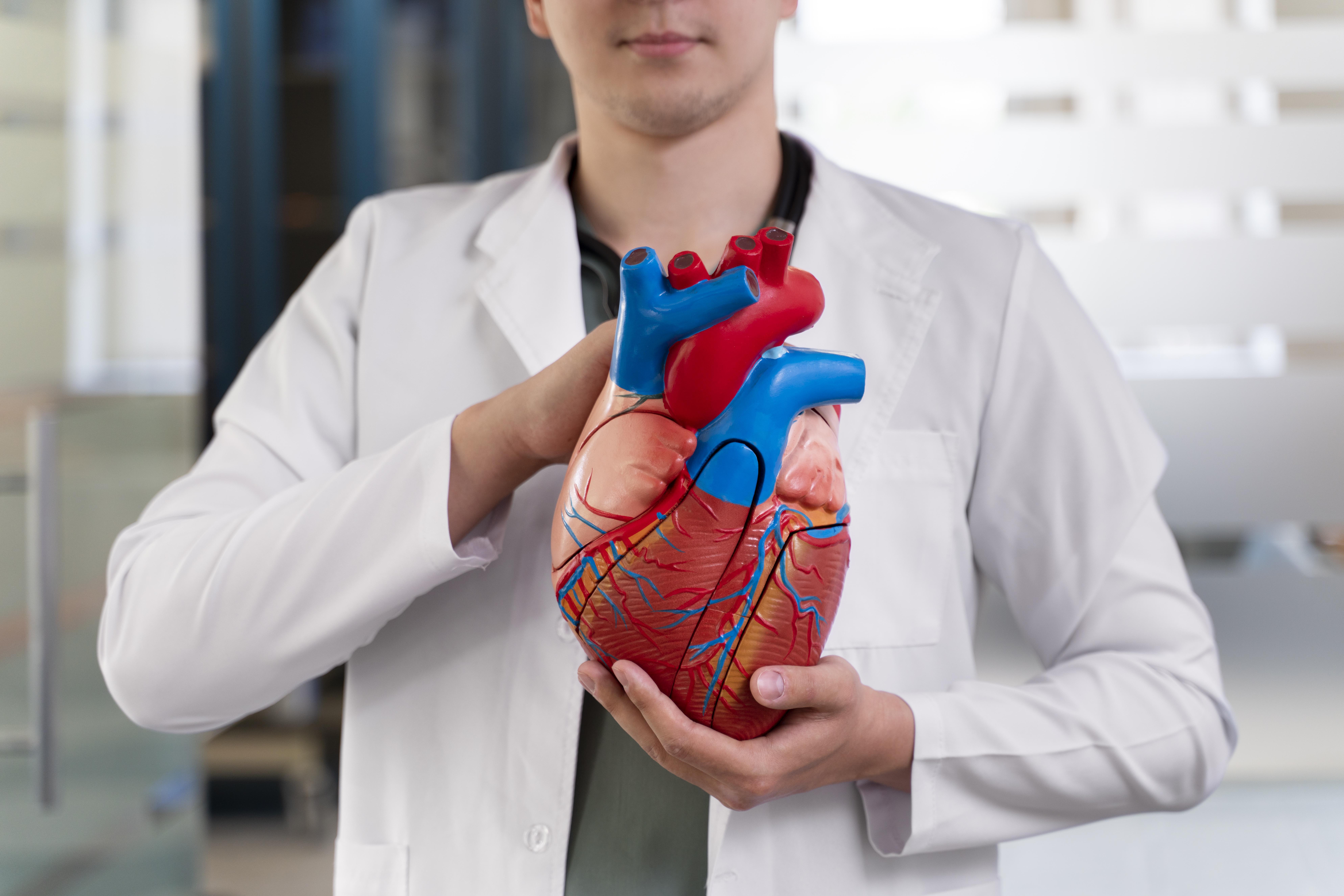
Dr. Shah Alam Sharwar is a highly qualified cardiologist with a distinguished educational background. He completed his MBBS at R G Kar Medical College, Kolkata, followed by an MD in Internal Medicine and a DM in Cardiology at the Institute of Post Graduate Medical Education & Research (SSKM Hospital), Kolkata. His extensive training equips him with specialized knowledge in diagnosing and treating cardiovascular conditions, ensuring comprehensive care for his patients.
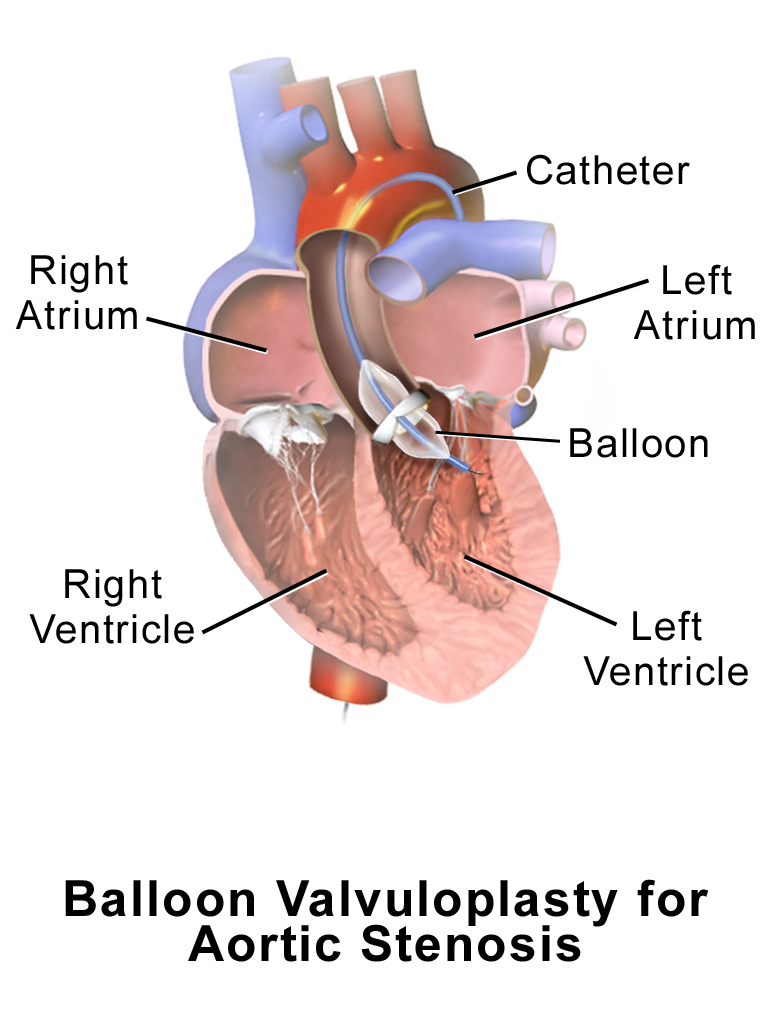
Balloon valvuloplasty, also known as balloon valvotomy, is a minimally invasive medical procedure used to treat stenotic heart valves. In this procedure, a catheter with a deflated balloon at its tip is inserted through a blood vessel and guided to the narrowed valve in the heart. Once in place, the balloon is inflated to widen the valve opening, improving blood flow and reducing symptoms associated with valve stenosis. This procedure is commonly performed on patients with mitral, aortic, or pulmonary valve stenosis and offers a less invasive alternative to open-heart surgery, especially beneficial for high-risk patients.

Dr. Shah Alam Sharwar emphasizes the importance of ongoing care for patients with cardiovascular conditions. He provides thorough follow-up appointments to monitor treatment progress, adjust therapies as needed, and address any concerns or new symptoms that may arise.
Coronary Angiography is a diagnostic procedure used to visualize the coronary arteries—the blood vessels that supply the heart muscle with oxygen-rich blood. During the procedure, a contrast dye is injected into the coronary arteries through a catheter, which is typically inserted into the femoral or radial artery. X-ray imaging is then used to capture detailed images of the blood flow and identify any blockages or abnormalities.
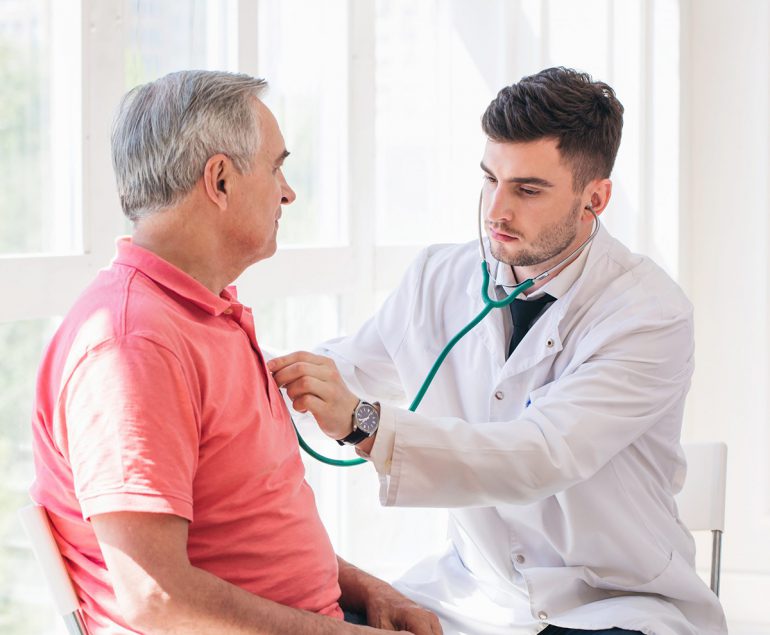
Utilizing state-of-the-art diagnostic tools and techniques, Dr. Sharwar conducts thorough evaluations to accurately diagnose cardiovascular disorders. These evaluations may include advanced imaging modalities, such as echocardiography, stress tests, and cardiac catheterization, ensuring precise identification of cardiac issues.
Dr. Shah Alam Sharwar, a distinguished cardiologist, is at the forefront of utilizing minimally invasive techniques to treat cardiovascular conditions with precision and minimal disruption to patients’ lives. These advanced approaches have revolutionized cardiac care, offering benefits such as reduced recovery times, shorter hospital stays, and fewer complications compared to traditional open surgeries.

Pacemaker implantation, including Cardiac Resynchronization Therapy (CRT), is a medical procedure designed to manage and regulate abnormal heart rhythms (arrhythmias). During the procedure, a small electronic device, the pacemaker, is surgically implanted under the skin near the collarbone. It consists of a pulse generator and leads (wires) that are threaded into the heart. The pacemaker monitors the heart’s electrical activity and delivers electrical impulses to regulate its rhythm, ensuring that it beats at a steady rate. CRT, a specialized form of pacemaker therapy, synchronizes the contractions of the heart’s ventricles to improve its pumping efficiency, particularly in patients with heart failure and dyssynchrony. This intervention significantly enhances quality of life and reduces symptoms associated with heart rhythm disturbances.
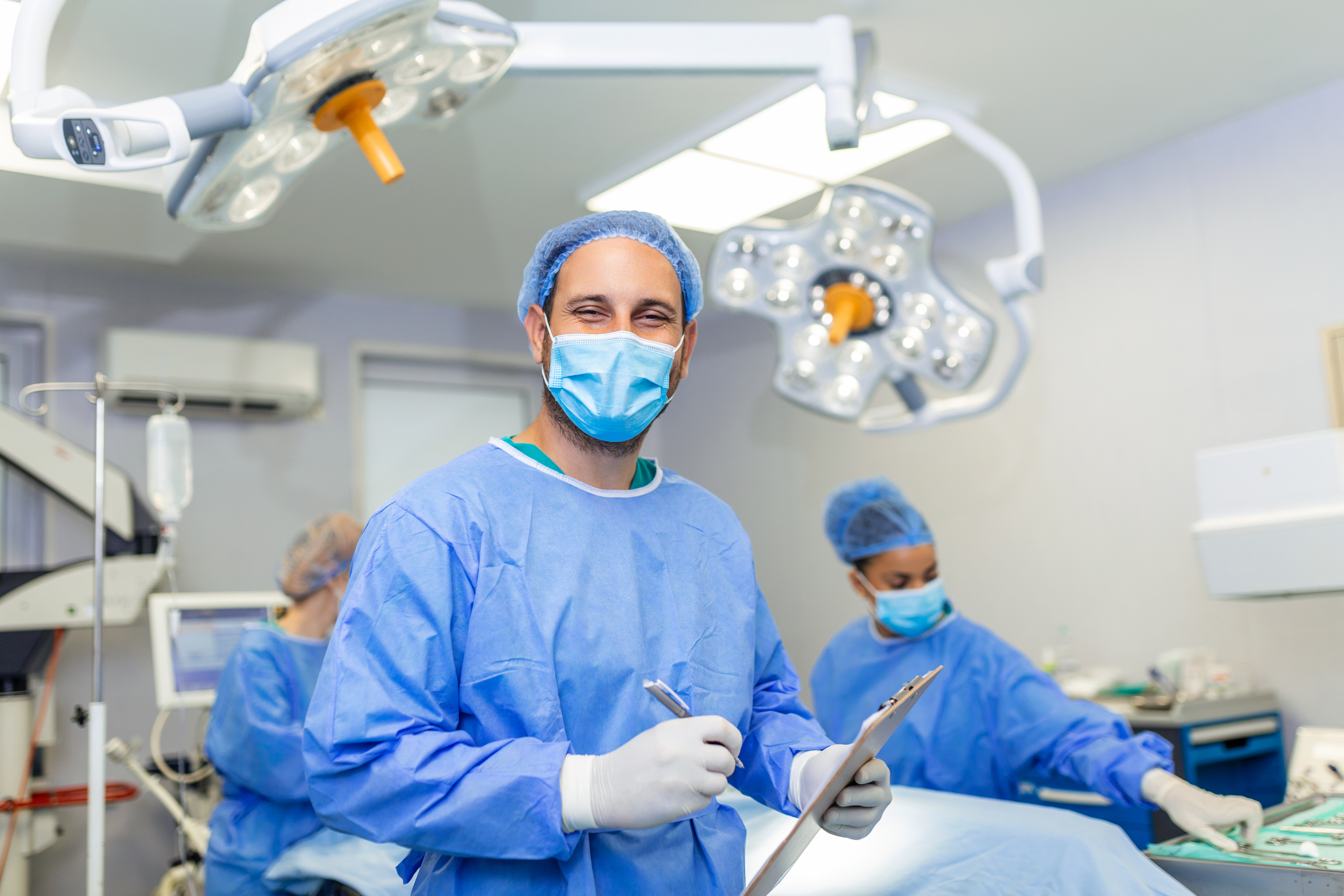
Percutaneous structural heart disease interventions are minimally invasive procedures aimed at treating various structural abnormalities of the heart. These interventions involve the use of catheters and other small instruments, typically inserted through the skin and guided through blood vessels to reach the heart. They are designed to repair or replace damaged heart valves, close holes in the heart, or address other structural defects without the need for open-heart surgery.
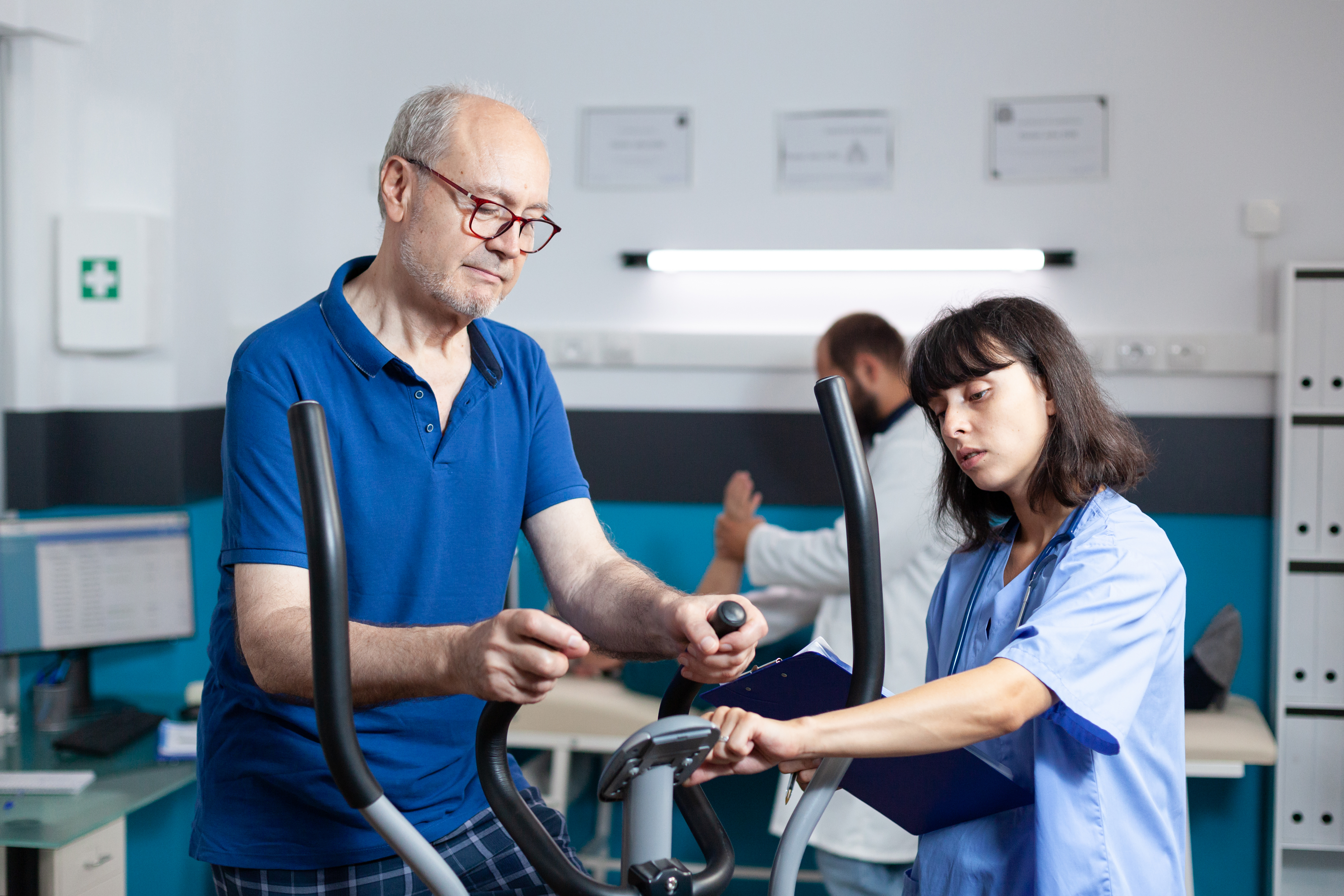
Peripheral angiography and angioplasty with percutaneous endovascular interventions are minimally invasive procedures used to diagnose and treat conditions affecting blood vessels outside the heart and brain, particularly in the limbs.